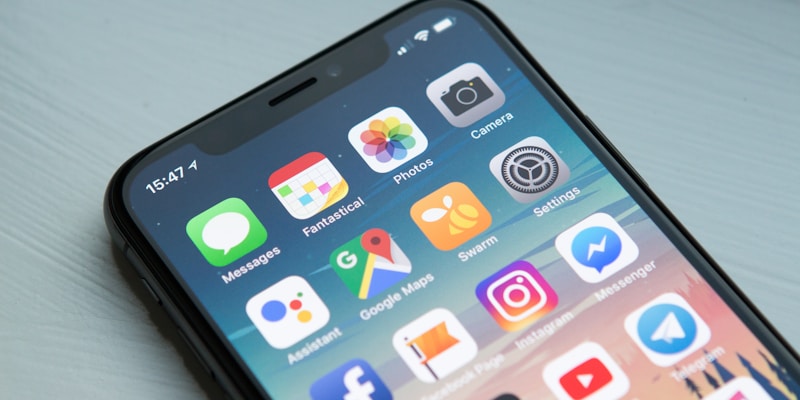
It's 6:12 p.m. on a Thursday. A first-year student is walking back from class, headphones in, glancing at a flood of unread messages. Their campus inbox has 47 unopened emails. Somewhere in that pile is a reminder for a cultural club event that starts in less than an hour. The club planned well, booked the room, posted on Instagram, and sent the reminder the night before. But the student never saw it. By the time they open their email later that night, the event is over, the room is half full, and the officers are wondering why so many people who RSVP'd didn't show up.
That scene is painfully normal on campus.
Student organizations do the work. They recruit members, plan events, confirm speakers, reserve tables, manage ticketing, and send reminders. But getting students to actually see those reminders is the harder part. Email gets buried. Instagram DMs feel informal and inconsistent. Campus portals matter, but most students aren't refreshing them all day. And when a message misses its moment, turnout drops, check-in gets messy, and officers spend more time chasing people than building community.
That's why we built the iCommunify WhatsApp Bot for student organizations.
With iCommunify, clubs can now send automated WhatsApp notifications for event reminders, RSVP confirmations, ticket confirmations, and QR check-in codes. Students get the right message in the app they already use. Clubs get better attendance, fewer missed updates, and a communication channel people actually open.
And yes, it's included in club plans and free for students.
The campus notification problem isn't planning, it's attention
Most student organizations already know how to announce an event. The issue isn't whether clubs are sending information. The issue is whether students are seeing it in time to act.
Email still has a role on campus, especially for formal communication, receipts, and administrative records. But student behavior has changed. A typical student inbox is crowded with class notices, career center emails, campus-wide newsletters, event promotions, club announcements, and automated system alerts. Even well-written messages compete with everything else. And when average email open rates hover around 20%, a reminder sent by email alone is often more hope than plan.
Instagram has its own problems. Posts are easy to miss. Stories disappear fast. DMs can work for small groups, but they don't scale well for active organizations with dozens or hundreds of members. Notifications get muted. Message requests get ignored. Students may follow the club account but still miss the reminder because the algorithm chose other content first. And if an officer has to manually send updates every time a room changes or a ticket is confirmed, that's time they don't have.
Campus portal notifications help, but they tend to be passive. Students usually check them when they're already looking for something specific, not when they're deciding what to do in the next hour. Portals are good for organization. They're not always the first place students see time-sensitive updates.
So clubs end up doing what student leaders have done for years. They post everywhere, send everything, and still wonder who actually got the message.
But attention on campus doesn't work like it did ten years ago. Students live in group chats. They check messages between classes, during commutes, while waiting in line, and right before heading out for the night. If a club update lives outside those habits, response drops. That's the gap.
Why WhatsApp fills that gap
WhatsApp is already a daily communication tool for millions of students, especially international students and, more and more, domestic students too. On many US campuses, it's where student groups already coordinate friend circles, project teams, cultural communities, travel plans, and event logistics. It's familiar, fast, and part of students' real communication flow.
That matters because the best notification channel is not the one an admin prefers. It's the one students already check.
WhatsApp also performs where clubs need it most: visibility. Messages sent through WhatsApp routinely see 95%+ open rates, far above the roughly 20% benchmark many organizations see with email. That difference changes everything. A reminder that gets opened is a reminder that can drive attendance. A ticket confirmation that gets seen actually helps a student get through the door. A QR code sent in a message thread is much easier to find than one buried in an inbox.
And this isn't just about international students, though they're a major part of the story. Domestic students are increasingly comfortable using WhatsApp for clubs, travel, sports, and social groups. On many campuses, the app has moved from niche to normal. So clubs don't need to teach students new behavior. They meet them where they already are.
That's the core idea behind iCommunify's WhatsApp Bot. Not another dashboard tab. Not another place students have to remember to check. A direct, automated channel built for how campus communication actually works.
What the iCommunify WhatsApp Bot does
The iCommunify WhatsApp Bot is built for the student org workflows that matter most. It doesn't just send generic blasts. It supports the moments that decide whether an event feels organized or chaotic.
1. RSVP confirmations
When a student RSVPs to an event in iCommunify, the bot can send an immediate confirmation on WhatsApp. That message tells them their spot is saved and gives them confidence that the signup worked.
That sounds simple, but it matters. Students often RSVP while rushing between other things. An instant confirmation reduces uncertainty and cuts down on "Did my registration go through?" questions.
2. Event reminders, 24 hours and 1 hour before
Timing matters more than volume. A reminder sent 24 hours before an event helps students plan. A reminder sent 1 hour before helps them act.
With the WhatsApp Bot, clubs can automate both. No officer has to remember to send a last-minute message. No one has to copy event details into a group chat by hand. Students get a prompt when it can still influence attendance.
And because it arrives in a messaging app they already watch closely, the reminder has a much better chance of being seen before it's too late.
3. Officer broadcasts to club members (planned)
Sometimes a club needs to send more than event reminders. Officers need a way to announce updates to members, such as a location change, a chapter-wide notice, a volunteer request, or a deadline reminder.
Officer announcements are on the WhatsApp Bot roadmap. Once shipped, they'll let clubs send these updates over WhatsApp without relying on fragmented personal group chats, keeping communication tied to the organization, not buried in whatever thread someone happened to start last semester.
4. Ticket delivery with QR codes
For ticketed events, delivery is often where the process starts to break. Students buy or reserve tickets, then search through email at the door while a check-in line grows behind them.
iCommunify fixes that by sending ticket confirmations and QR check-in codes directly through WhatsApp. Students can pull up the code quickly. Officers can scan it. The line moves faster. The experience feels organized from the first minute.
5. RSVP updates
Plans change. Events hit capacity. Waitlists open up. Rooms switch. Start times shift. Students need those updates quickly, especially when the event is happening the same day.
The bot can send RSVP-related updates so members aren't left guessing. That keeps communication current and cuts down on confusion at the door.
6. Two-way commands
Communication works better when students can respond without opening a separate portal.
That's why the bot supports two-way commands like "RSVP yes," "Cancel," and "Info." A student can confirm attendance, back out if their plans changed, or ask for event details directly from the message thread. It's faster, easier, and better aligned with how messaging apps are meant to work.
So instead of getting a notification that says "Go log in somewhere else," students can often handle the next step right there.
How clubs set it up
We designed the setup to be simple for busy student leaders. No one wants a communications feature that takes longer to configure than the event itself.
- Create or sign in to your organization on iCommunify.
- Enable WhatsApp messaging for your club plan.
- Choose which workflows you want active, including RSVP confirmations, reminders, ticket confirmations, and updates.
- Invite students to opt in with their preferred phone number and messaging consent.
- Publish your event, job, or announcement inside iCommunify as usual.
- Let the bot send the right message at the right time.
That's it. Clubs don't need to manually build reminder lists for every event. Officers don't need to remember who got which message. Once the workflow is active, iCommunify handles the repetitive parts automatically.
And because this is built into the platform students already use for clubs, events, and jobs, the WhatsApp Bot isn't a disconnected add-on. It's part of the same operating flow.
A privacy model built around student choice
Messaging works best when trust is clear. Students should know what they're opting into, what kind of messages they'll receive, and how to change those settings later.
That's why the iCommunify WhatsApp Bot follows an opt-in model. Students choose to receive WhatsApp messages. They're not added silently. They can control participation and message preferences, and they can opt out if they no longer want notifications.
Clubs also need guardrails. Not every message should go to every student. Organizational communication should stay tied to legitimate club activity, such as event reminders, confirmations, and updates. That keeps the channel useful instead of noisy.
From a compliance perspective, student organizations and campus teams care about privacy expectations, record handling, and consent. iCommunify is built with FERPA and GDPR considerations in mind, including the importance of limited data use, clear consent practices, and student control over communications. Each campus may have its own policies, and clubs should follow local guidance, but the foundation matters. Students need control. Institutions need clarity. Clubs need a system that respects both.
Why this is different from an Instagram account or an email list
Every club already has channels. The problem is that most of them are one-way, easy to ignore, or difficult to manage at scale.
An Instagram account is good for visibility and brand presence. It's not ideal for guaranteed operational messaging. A student may like the post and still forget the event. They may never see the story. They may mute notifications entirely.
An email list is useful for longer updates and formal communication. But it's weak for timely action, especially when students are deciding in the next hour whether they're still coming.
The iCommunify WhatsApp Bot is different because it combines immediacy, automation, and event-specific context. It's not just "another place to post." It's a system that confirms, reminds, updates, and responds. And it does that in a channel students actually watch.
It's also different because, unlike major US campus platforms such as CampusGroups, Engage, and Presence, iCommunify includes a WhatsApp Bot workflow for student org communication. That gives clubs a direct channel most campus platforms still don't offer.
Comparison: WhatsApp Bot vs other campus channels
| Channel | Typical visibility | Best for | Weaknesses |
|---|---|---|---|
| WhatsApp Bot | 95%+ open rate | Reminders, confirmations, QR tickets, timely updates, quick replies | Requires student opt-in, should be used thoughtfully to avoid noise |
| About 20% open rate | Formal communication, longer details, records | Easy to miss, crowded inboxes, slower response | |
| Instagram DMs | Inconsistent | Informal outreach, social engagement | Hard to manage at scale, easy to mute, weak operational tracking |
| Campus Portal Notifications | Moderate but passive | Centralized event information, registration, discovery | Students usually don't check in real time |
Where this matters most
Different organizations feel this problem in different ways. But the pattern is the same. The more moving pieces a club has, the more expensive missed communication becomes.
International student unions
For many international students, WhatsApp is already the default for community communication. Event invites, cultural celebrations, airport pickups, and social planning often happen there naturally. So club communication through WhatsApp feels familiar, not forced.
Commuter students
Commuter students make faster attendance decisions because time and travel matter. A reminder that reaches them an hour before an event can determine whether they come at all. If that message gets buried in email, the opportunity is gone.
Greek chapters
Greek organizations juggle recruitment, philanthropy, meetings, socials, and internal announcements. Quick, reliable communication matters. And having confirmations, reminders, and updates connected to the organization platform helps reduce last-minute confusion.
Large student orgs
Once a club gets big, manual messaging breaks down. Officers can't individually follow up with hundreds of members every week. Automation matters most when scale starts to hurt. That's where the bot saves real time and improves turnout.
Frequently Asked Questions
Is this free for students?
Yes. The WhatsApp Bot is free for students. It's included in club plans, so students don't have to pay extra to receive club messages on WhatsApp.
Do students have to opt in?
Yes. Students opt in to receive WhatsApp notifications. That gives them control over how they hear from organizations and helps clubs keep communication permission-based.
Can clubs choose which messages to send on WhatsApp?
Yes. Clubs can decide which workflows they want to use, such as RSVP confirmations, reminders, ticket confirmations, and updates. That flexibility matters because not every organization communicates the same way.
Will this replace email?
No, and it shouldn't. Email still has a place for longer-form communication, records, and formal details. WhatsApp works best as the high-visibility channel for timely actions and reminders. The strongest communication strategy usually uses both, with each channel doing the job it's best at.
What kinds of messages can students send back to the bot?
Students can use simple two-way commands like "RSVP yes," "Cancel," and "Info." That makes it easier to respond without leaving the conversation thread.
Can the bot send QR codes for check-in?
Yes. For supported event workflows, the bot can send ticket confirmations and QR check-in codes through WhatsApp. That makes entry faster and cuts down on students searching through email at the last second.
Is this useful only for international students?
No. International students are a major reason WhatsApp matters on campus, but usage is growing more broadly among domestic students too. Many friend groups, student teams, and clubs already use it. The channel works because it matches real student behavior, not because it fits only one demographic.
How is this different from a group chat?
A group chat is informal and hard to manage once an organization grows. Messages get buried, membership changes become messy, and important updates mix with casual conversation. The WhatsApp Bot is tied to club workflows in iCommunify, so confirmations, reminders, and tickets are organized and automated.
Do CampusGroups, Engage, or Presence offer this?
iCommunify's WhatsApp Bot stands out because major US campus platforms such as CampusGroups, Engage, and Presence don't offer this kind of built-in WhatsApp bot workflow for student organizations. That means clubs using iCommunify can reach students in a channel many other campus tools still miss.
What about privacy and compliance?
The model is opt-in and student-controlled. iCommunify is built with FERPA and GDPR considerations in mind, including consent, data handling discipline, and communication controls. Schools and organizations should still follow their own local policies, but the product foundation is designed to support responsible messaging.
Student org communication should feel as modern as student behavior
Clubs don't have an event problem. They have a message delivery problem.
Students still want to go to events. They still join organizations, RSVP, buy tickets, and say they're interested. But intent doesn't help much if the reminder shows up in the wrong place. And when that happens over and over, officers start assuming poor attendance is normal. It isn't. Often, the message just missed the student.
So we built a better path. One that matches how campus communication already works. One that helps students respond quickly, officers communicate clearly, and events run more smoothly from RSVP to check-in.
The iCommunify WhatsApp Bot is now part of that path.
Get started
If your organization is tired of sending reminders that no one sees, it's time to try a better channel.
Visit icommunify.com to learn more about the platform, read more updates on the iCommunify blog, and explore student opportunities at jobs.icommunify.com.
Students are already on WhatsApp. Now your club can be there too, with the right message at the right moment.